
Issue 79 ♾️ The 4th Time Around
The System Isn’t Broken. You’re Just Still Trusting It

At some point, people stop asking how to succeed inside a system
and start wondering if it works at all.
It does not happen all at once.
On the surface, everything still looks intact.
The institutions are still there. The paths still exist. The language has not changed.
But underneath, something shifts:
People stop believing in it the same way.
Not loudly. Not all together.
Quietly.
You Notice It First
You start to notice it in conversation.
Someone who did everything right good school, good job, clear path
admits, almost casually, that they are not sure it leads anywhere anymore.
The promotions feel narrower. The upside feels capped. The stability feels conditional.
The question changes.
Not how do I move up
But: Does this even work?
There is a name for this pattern: The Fourth Turning.
In 1997, historians William Strauss and Neil Howe argued that history moves in cycles of roughly 80–100 years. Periods of stability gradually give way to a crisis that reshapes institutions, beliefs, and systems.
That crisis phase, the one people increasingly feel today, is what they called the Fourth Turning.
It describes a phase where people begin to quietly lose faith in the systems they were told to trust.
You see, it goes like this.
Stability builds over time
Institutions grow stronger
People become more confident and less questioning
Then a crisis period arrives that reshapes everything
Rise and repeat. ♾️ The same as it ever was.
This isn’t an isolated idea.
From generational cycles to economic ones, the same pattern repeats.
Even Ray Dalio’s work on rising and falling world orders points to the same arc: systems strengthen, peak, and eventually force their own reset.
Careers, institutions, paths that once felt stable, disappear.
Because they stopped working the way they used to.
And you can see it clearly once you know where to look.
This isn’t random. It’s cyclical. ♾️
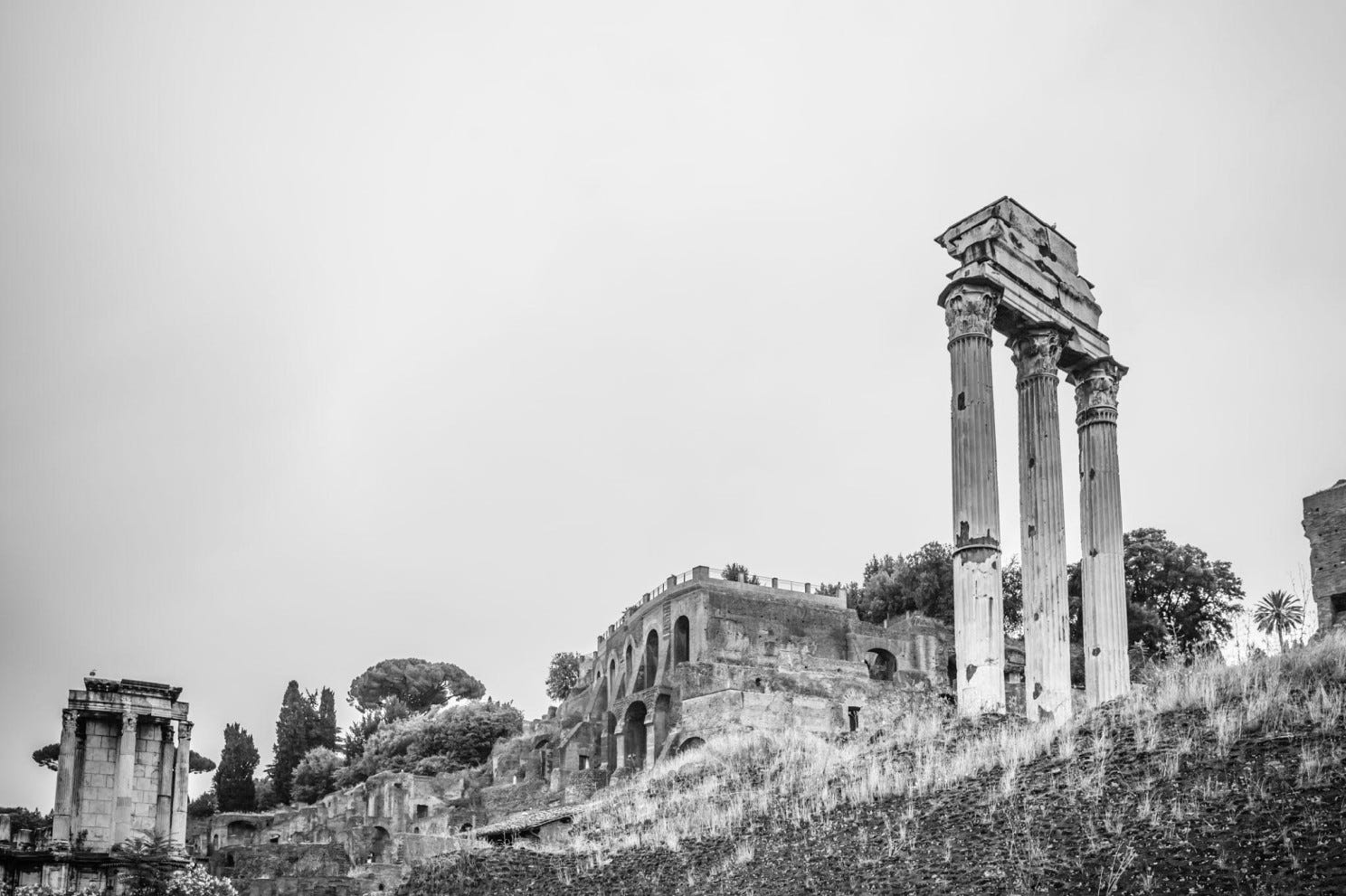
At the end of the Roman Empire, nothing looked broken at first glance.
The roads still connected cities. Power still projected outward.
But underneath, trust shifted.
People relied less on the center, more on local structures. The system did not collapse first.
It lost its hold.
When the Printing Press Revolution spread, it did not immediately replace existing institutions. It made them optional.
Ideas moved without permission. Authority could be questioned at scale.
The structure remained, but it was no longer the only source of truth.
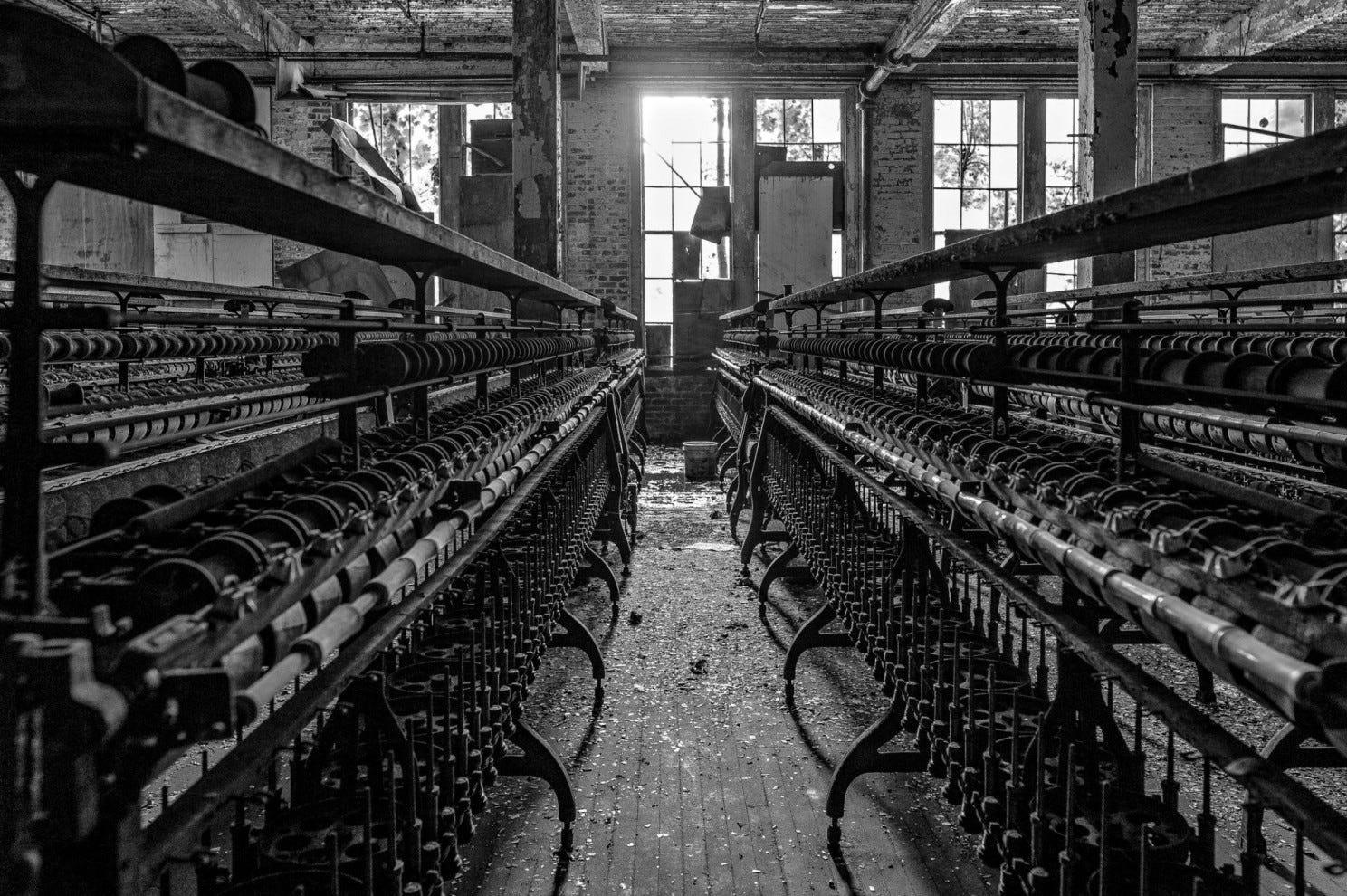
During the Industrial Revolution, people did not wait for consensus.
They moved when the old way stopped working.
The future was unclear, and the past no longer worked
What Changes in People
You can see it now in how people work.
Roles that once felt stable start shifting faster than they can be defined. Skills become outdated in years instead of decades. Paths that used to be linear begin to fragment.
People aren’t failing the system; the system is changing faster than it can support them.
Every stable period carries a hidden cost.
When systems work for long enough, people stop questioning them.
They optimize within them. Depend on them. Build their identity around them.
Over time, something subtle shifts: Capability, then dependency.
So when the system weakens, it is not just the structure that struggles.
It is the people who never learned to operate without it
You Are Here
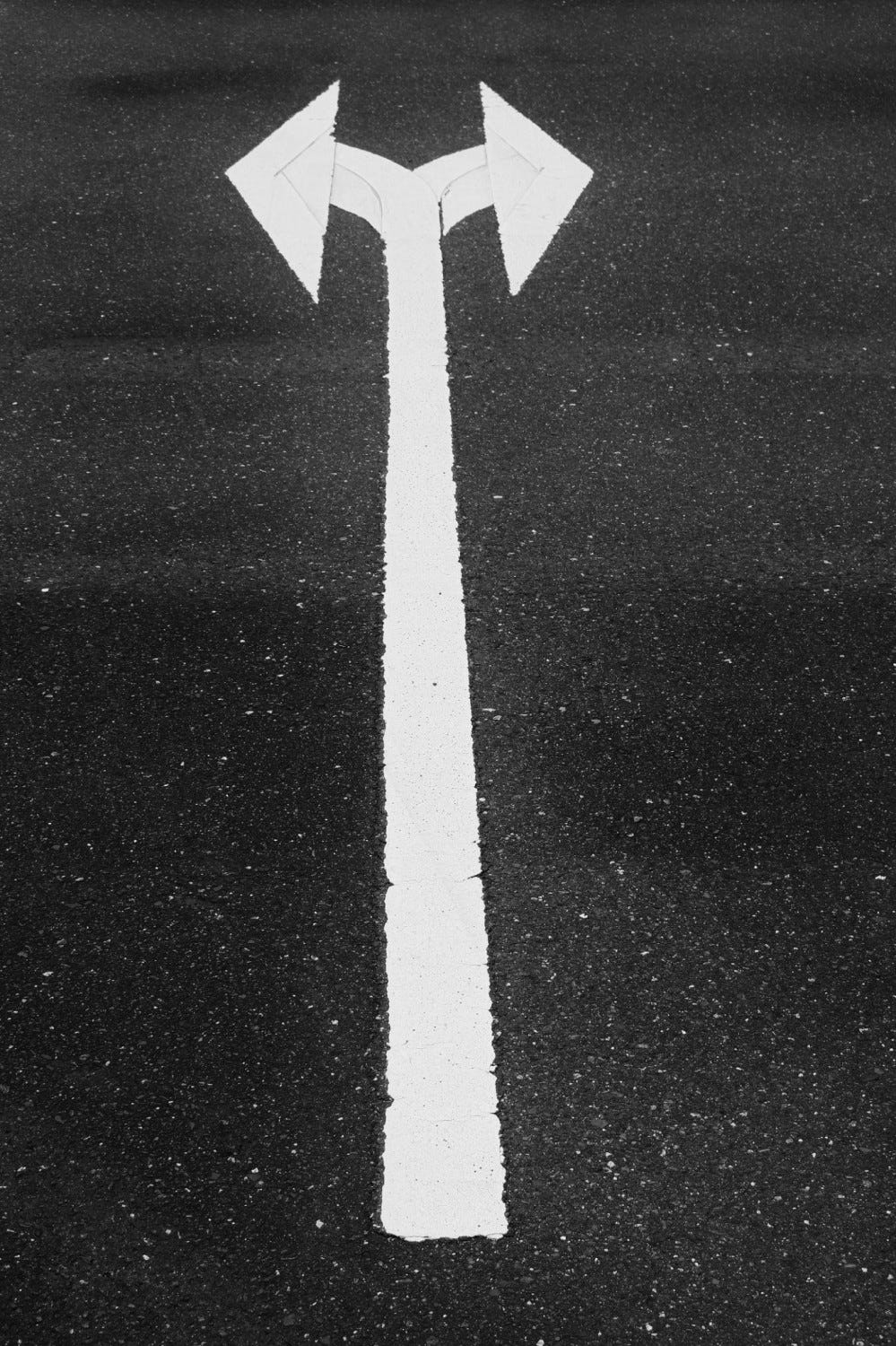
That is where we are now.
At the end of a system, in the moment where belief in it starts to erode.
And once that happens, behavior follows.
Quietly at first.
Then all at once.
New systems do not arrive fully formed.
They start as small decisions:
Choosing flexibility over status. Learning from people instead of institutions. Building something on the side instead of waiting.
Individually, these feel minor.
Collectively, they change everything.
The shift is silent.
There is no clear line between before and after. Just a growing gap between:
What people were told would work and what actually does.
And eventually, everyone faces the same decision.
Some people double down.
They wait for stability to return. They try to extract certainty from something that is already shifting.
Others adjust earlier.
They test new paths before they are obvious. They build options instead of relying on a single system. They pay attention to what is working now, not what used to.
Same world.
Different decisions.
Very different outcomes.
Most people can feel the shift.
They just keep choosing the comfort of the old system over the uncertainty of acting on it.
The system does not need to collapse for it to stop working for you.
It just needs you to keep trusting it longer than you should.
See you next week. ♾️
Available Now ♾️ Shipping Globally

Join the Web3Weekly ♾️ Professional Learning Network


I have felt this way for a while. My understanding of the systems has shifted from we use them to they use us. We no longer have the wheel; we are simply fish in the current. If that current shifts, we do not have the autonomy or will to move against it.
Great writing, Nick.
When does the revolution start? I am in.