
Growing Web3Edu 🌐 Ecosystem 🌱 ∞

For educators, the world of academia has been marked by tradition and is often seen as resistant to change. The recent upheaval caused by the COVID-19 pandemic, which compelled a sudden shift to online learning, has raised questions about the sector's adaptability. To understand why education sometimes seems slow to evolve and to discuss the emerging challenges and potential solutions associated with embracing Web 3.0 technologies, let's take a closer look.
In the traditional education landscape, several factors have contributed to the status quo. The traditional classroom-based teaching model, deeply entrenched in history, is a formidable institution. Think of the industry model of factories.
Regulatory and accreditation processes, put in place to maintain quality and consistency, can pose substantial challenges for innovative education models, making it tough for them to gain acceptance. Educators, institutions, and stakeholders have often been hesitant to embrace significant changes due to concerns about educational quality, job security, and the potential erosion of established practices. Here lies the problem: Education has yet to embrace disruption in fear of its own self-preservation.
Read that last bit again.
Shocker, right? But this is the bottom line.
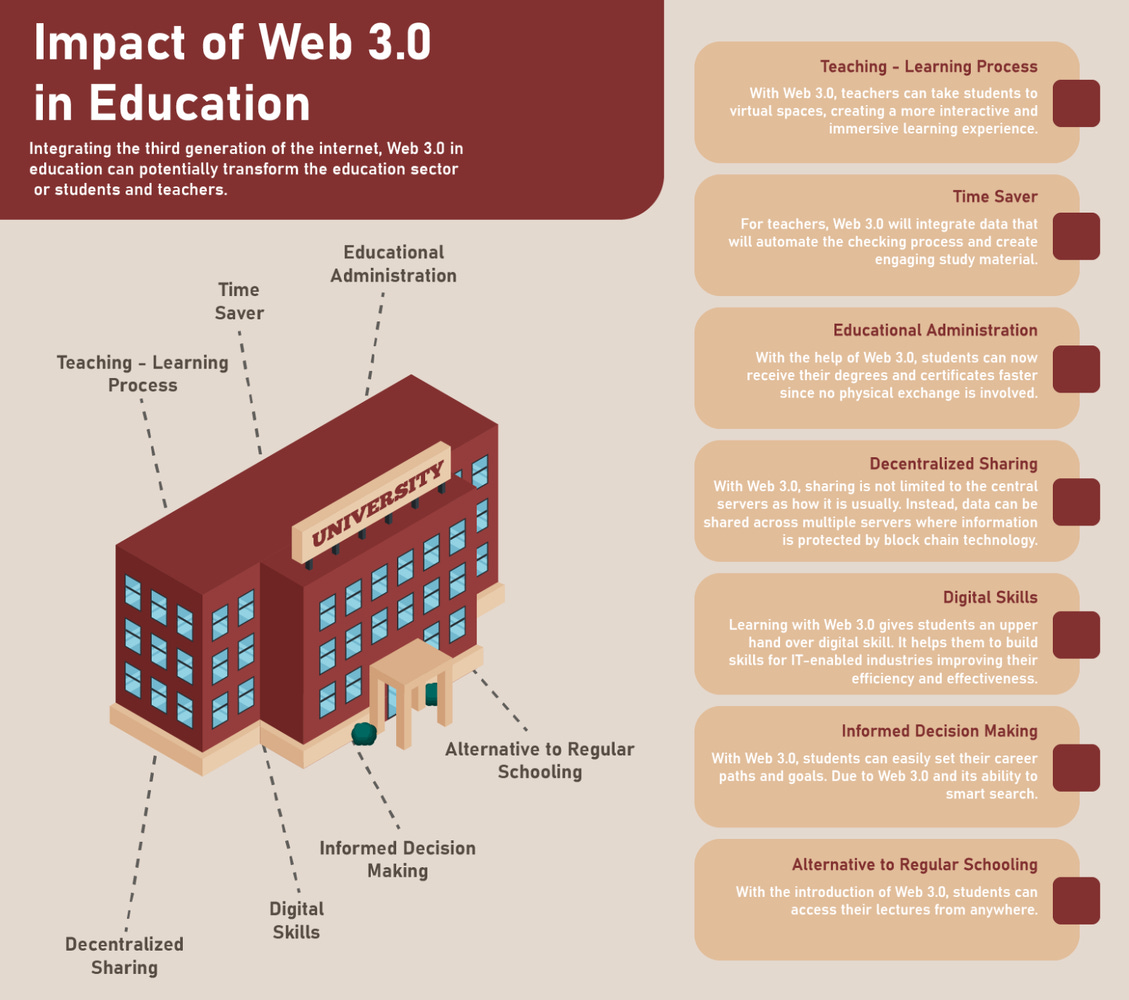
Sure, technological barriers add to the complexity. Unequal access to technology and the internet among students creates a digital divide, limiting the effectiveness of online education. This still doesn't mean moving into a post-COVID world learning nothing...
The intersection of education with societal and cultural norms has historically guided its path, making it resistant to rapid transformation.
While educational technology (EdTech) has made headway, many educators and institutions are still in the process of adapting to new tools and methodologies.
Gatekeepers of the future seemingly only clinging to ways inspired by the past.
Moreover, limited funding has often made it challenging to invest in emerging technologies and innovative teaching methods. This is why you see pockets of innovation ensuring at IB schools and private international schools around various corners of the globe.
The COVID-19 pandemic, despite its challenges, acted as a catalyst for change.
Have we learned nothing about the house of cards that we've been peddling learning is built upon?

The swift shift to online learning underscored the effectiveness of digital education and highlighted the urgent need for increased investment in educational technology and digital infrastructure. It also shone a light on the million-dollar question of seat time, test-taking, cheating, and asynchronous learning. Heaven forbid AI came out during the pandemic. Teachers collectively around the world would have lost their minds.
Education slowly but surely is moving toward a more digital, flexible, and adaptable model, better equipped to face future disruptions. Sadly, much of this is driven by the students and outside institutions.
The integration of Web 3.0 technologies into education, although promising, presents its own set of challenges.
Their inherent complexity, including concepts like blockchain and decentralized systems, may require educators to expand their understanding. This shift also necessitates new infrastructure and resources as Web 3.0 relies on decentralized platforms and blockchain networks. The decentralized nature of Web 3.0 raises regulatory and legal concerns, including issues related to data privacy and compliance. While educators look forward to the next "Killer App" that makes their lives easier, our learners are embracing the paradigm shifts brought about by digital communities and Web3 tech.
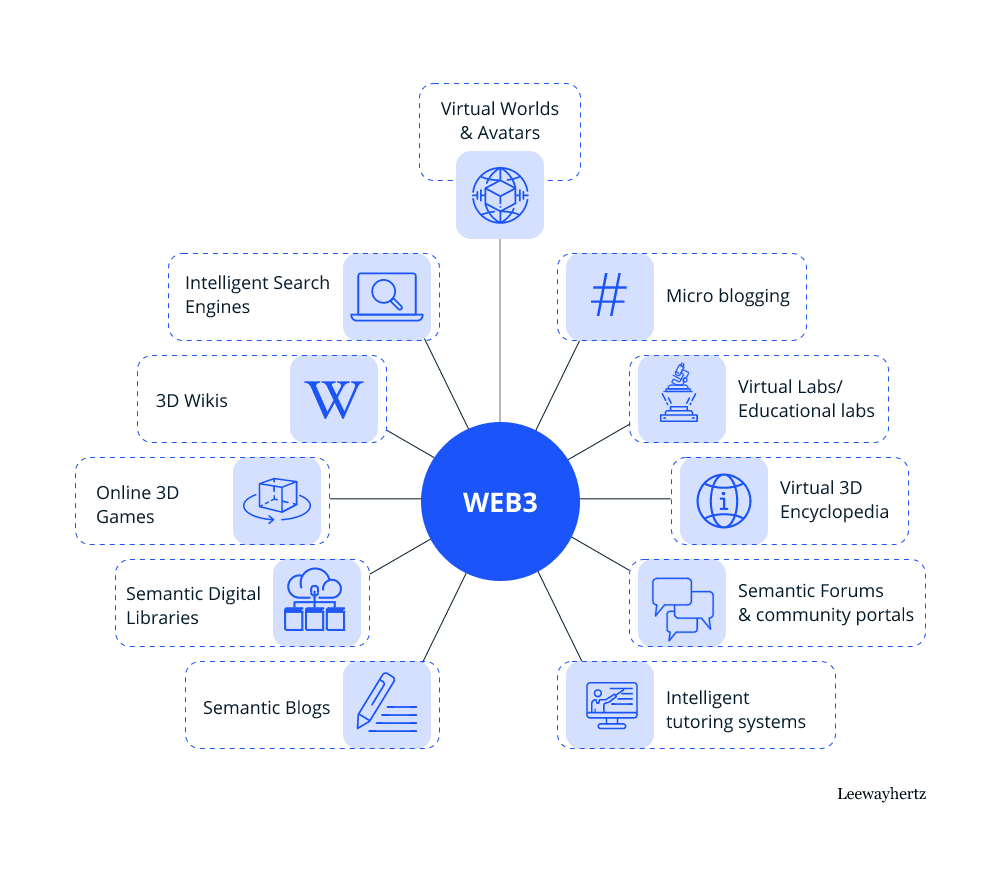
Transitioning to Web 3.0 technologies may require a significant shift in mindset and practices, which could meet resistance from within the education sector.
Additionally, the absence of standardized protocols and best practices can create uncertainty and hesitation among educators.
The implementation of Web 3.0 technologies often demands technical expertise that may not be readily available within educational institutions. Furthermore, the limited number of practical use cases in the education sector has left many educators awaiting proven models before embracing these new technologies.
Despite these challenges, it is expected that education will gradually incorporate Web 3.0 technologies. As educators become more comfortable with the concepts and tools associated with Web 3.0, and as practical applications emerge, the potential benefits will become evident. This integration is part of an ongoing evolution, a response to the changing technological landscape, and the evolving needs of students in the digital age. The question is, will it be openly embraced, or will it end up as another pipe dream of what education could be? ∞

♾️ Learn More on how to grow the Web3edu ecosystem 📚
♾️ Web3 Explain it to me Like I'm 5

https://consciousclassroom.wordpress.com/
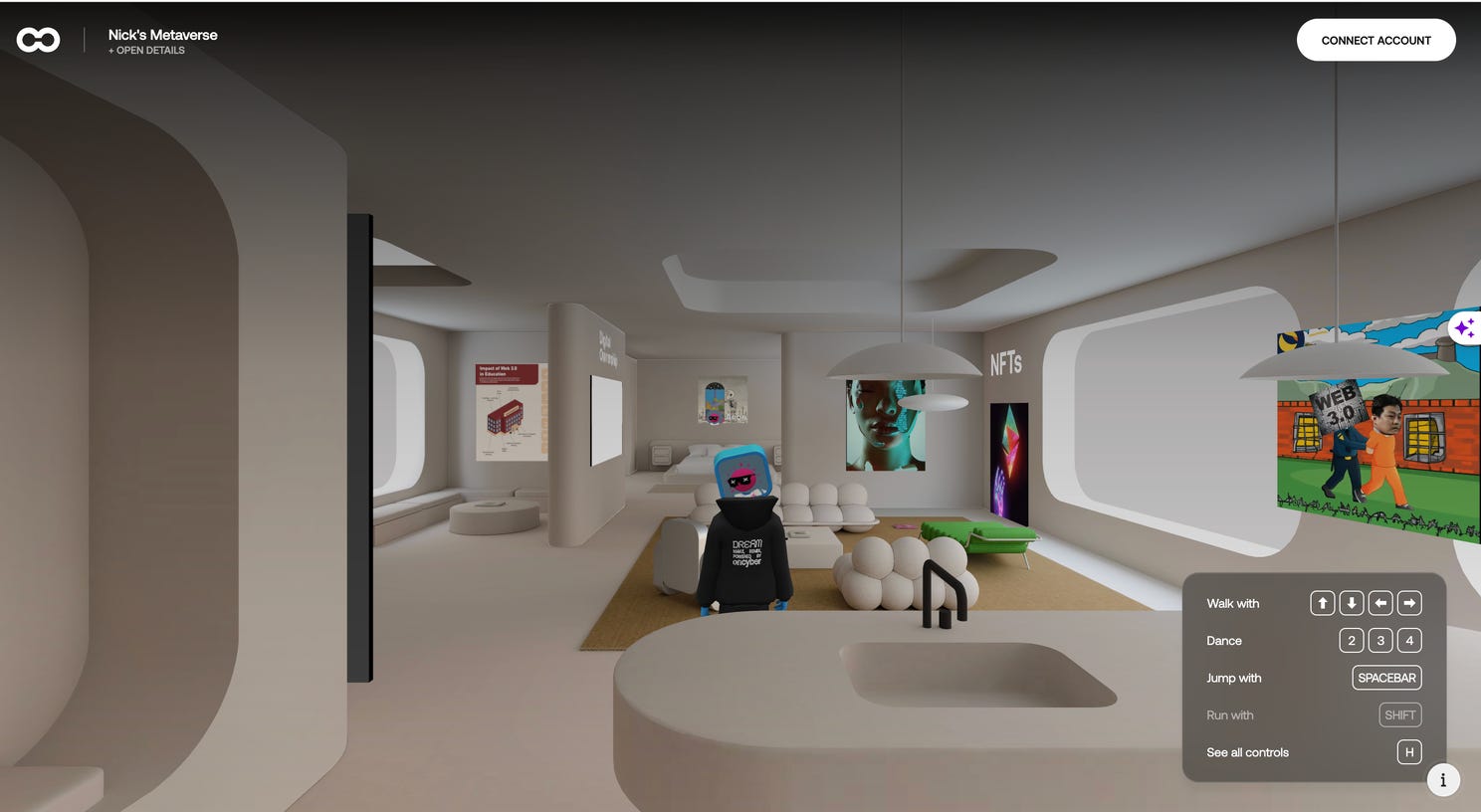
https://consciousclassroom.wordpress.com/
Join the revolution today: Advancing WEB 3.0 EDU 🌐
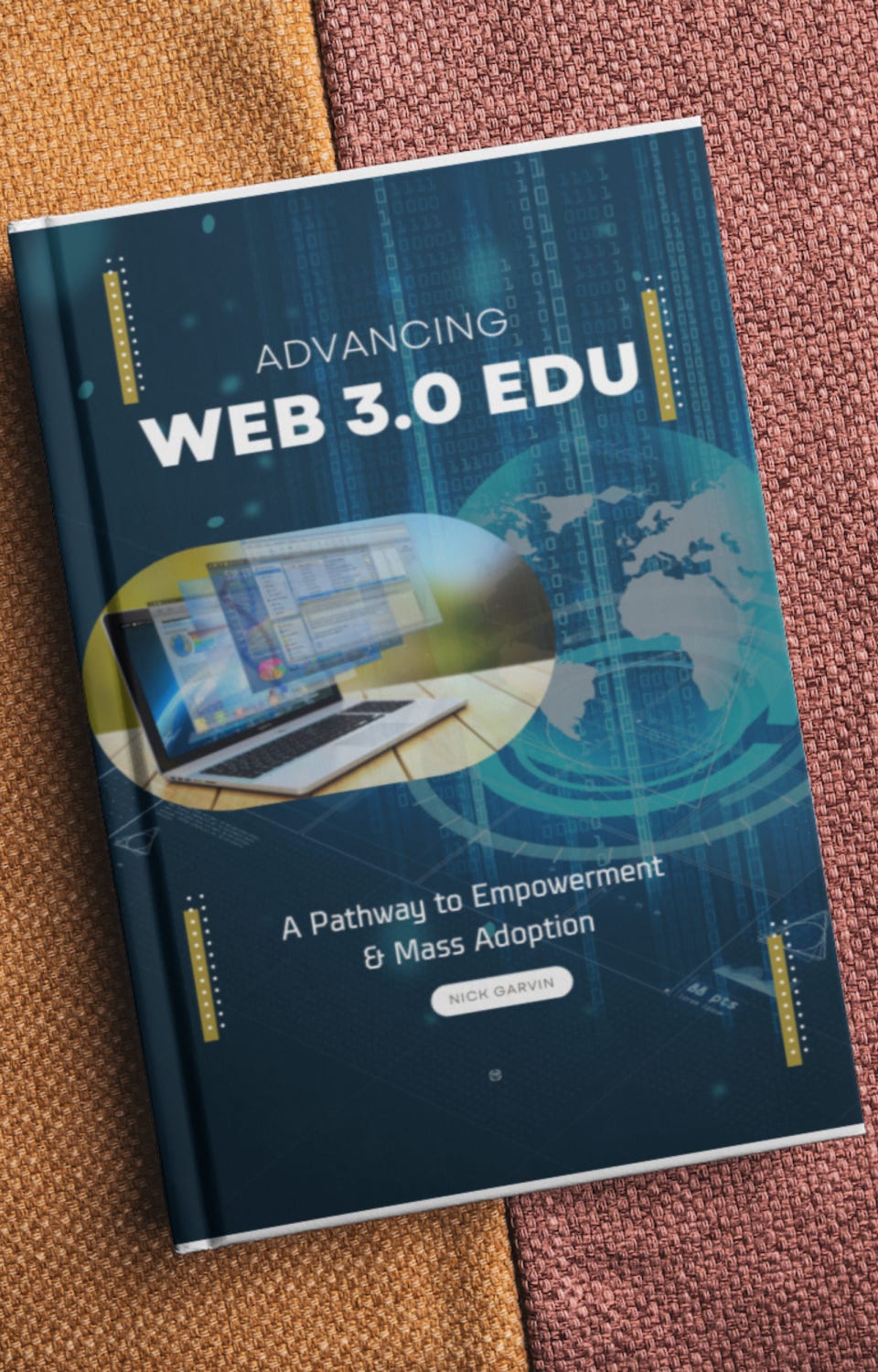
PRE-ORDER STARTING Dec 1ST 📅
Welcome to WEB 3.0 EDU Ebook for Educators, the ultimate resource for joining the revolution of Web3 technologies! With this eBook, you’ll learn how Web3 technologies, such as blockchain, smart contracts, and decentralized applications (dApps), can revolutionize education and give more power to students and educators. Get informed about how Web3 can increase transparency and security in educational systems as well as reduce reliance on centralized entities. We also discuss ways to make education more equitable with Web3 technologies and create a better future for everyone in education. Get ready to learn all there is to know about this revolutionary technology and join us today in blazing the trail towards decentralization! ♾
Thanks for reading 🙏✨
See you next week!
- Nick